
Introduction: The Hidden Safety Check That Saves Lives
Every day, healthcare professionals rely on medical devices to diagnose illnesses, monitor vital signs, deliver treatments, and save lives. Whether it’s a patient monitor in an emergency room, an infusion pump in a clinic, or a defibrillator in an ambulance, every piece of equipment must perform safely and accurately when it’s needed most.
But here’s a question many healthcare facilities don’t ask often enough:
How do you know your medical devices are electrically safe?
Electrical Safety Testing in Medical equipment is powered by electricity, making it vulnerable to wear and tear, insulation breakdown, grounding failures, and electrical leakage over time. These issues may not be visible during normal operation, yet they can expose patients, clinicians, and biomedical staff to potentially dangerous electrical hazards.
This is why electrical safety testing is one of the most important components of every medical equipment maintenance program.
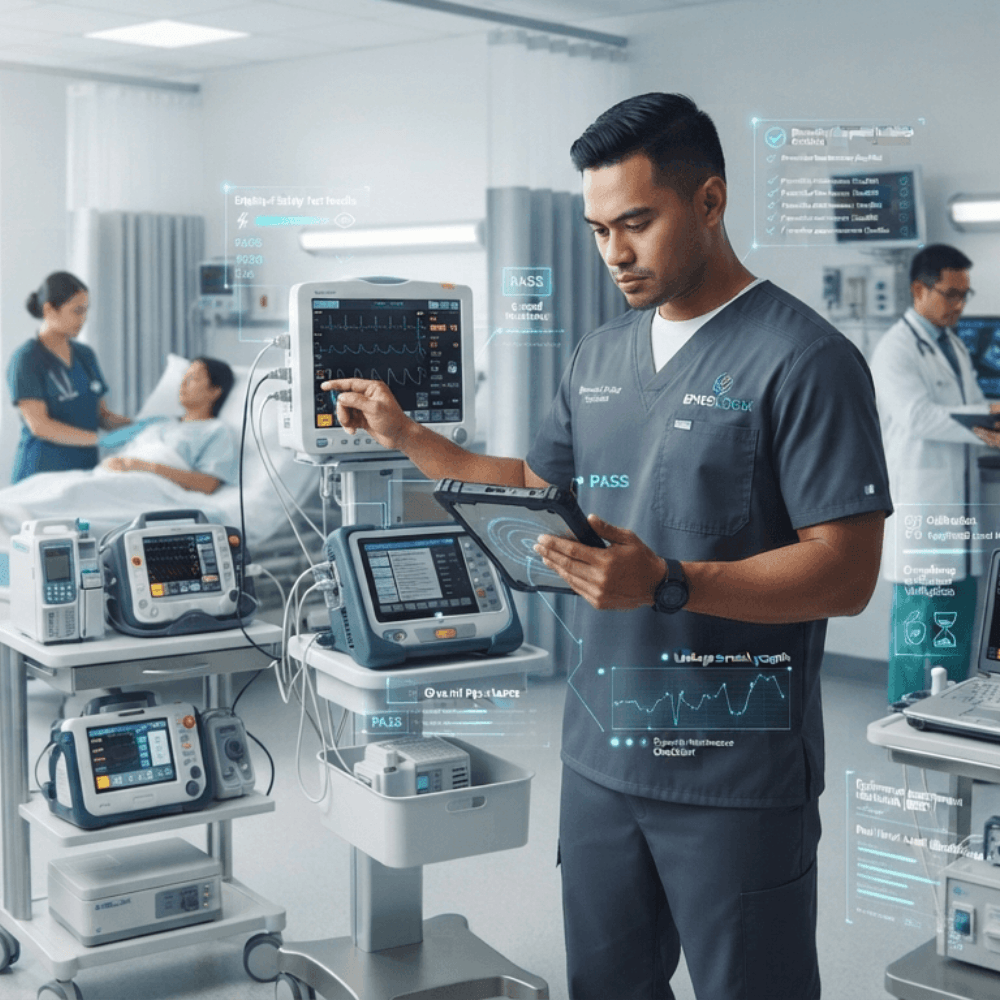
Electrical Safety Testing for hospitals and clinics across Guam, electrical safety testing isn’t simply a regulatory requirement, it is a commitment to patient safety, operational reliability, and healthcare excellence. It helps identify hidden electrical faults before they become serious incidents, reduces costly equipment downtime, and supports compliance with international healthcare standards.
As healthcare technology in Guam continues to become more sophisticated and interconnected, ensuring every medical device meets electrical safety standards is more important than ever.
In this article, we’ll explore why electrical safety testing matters, how it protects patients, what healthcare providers should know, and why partnering with experienced biomedical engineers in Guam is essential for maintaining safe, reliable medical equipment.
What Is Electrical Safety Testing?
Electrical safety testing is a systematic evaluation of medical equipment to ensure it operates safely without exposing patients or healthcare workers to electrical hazards.
Unlike a simple functional check, electrical safety testing measures characteristics that cannot be detected by visual inspection alone.
These tests typically evaluate:
- Protective earth (ground) continuity
- Earth resistance
- Insulation resistance
- Chassis leakage current
- Patient leakage current
- Enclosure leakage current
- Polarity
- Electrical isolation
- Device performance under fault conditions
Using specialized electrical safety analyzers, biomedical engineers in Guam verify that every device complies with internationally recognized safety standards before it is returned to clinical service.
Why Electrical Safety Testing Matters
Medical devices are unique because they often come into direct contact with patients.
Some devices connect directly to the heart.
Others monitor sensitive physiological signals.
Many operate continuously for hours—or even days.
Unlike ordinary electrical equipment, even a very small electrical fault can have life-threatening consequences.
Electrical safety testing helps prevent:
- Electrical shock
- Burns
- Device malfunction
- Unexpected shutdowns
- Incorrect measurements
- Fire hazards
- Damage to connected equipment
Most importantly, it helps ensure that patients remain safe while receiving care.
Protecting Patients from Electrical Hazards
Patient safety should always be the primary reason for conducting electrical safety testing.
Many patients in hospitals are particularly vulnerable because they may have:
- Intravenous lines
- ECG electrodes
- Cardiac catheters
- Surgical equipment attached
- Reduced immune systems
- Limited ability to react to electrical hazards
Even leakage currents too small for a healthy person to notice can become dangerous in these situations.
Routine electrical safety testing identifies these hidden risks before they can harm patients.
Every successful test represents another layer of protection that clinicians and patients often never see—but always depend on.
Ensuring Reliable Clinical Performance
Electrical faults don’t always cause complete equipment failure.
Sometimes they create subtle problems that affect performance.
For example:
A patient monitor with deteriorating electrical components may experience intermittent resets.
An infusion pump may unexpectedly stop delivering medication.
A diagnostic device may produce inaccurate measurements due to unstable power conditions.
These problems can delay treatment, reduce clinician confidence, and increase operating costs.
Routine testing helps identify developing issues before they interrupt patient care.
Supporting Preventive Medical Equipment Maintenance
Electrical safety testing is a core component of effective medical equipment maintenance in Guam.
Rather than waiting for equipment to fail unexpectedly, preventive maintenance allows healthcare organizations to detect problems early.
A comprehensive maintenance program generally includes:
- Visual inspection
- Functional verification
- Calibration
- Cleaning
- Mechanical inspection
- Software updates
- Battery evaluation
- Electrical safety testing
Together, these activities extend equipment life while improving reliability and reducing emergency repairs.
Healthcare facilities that invest in preventive maintenance typically experience:
- Lower repair costs
- Less equipment downtime
- Longer equipment lifespan
- Improved clinical efficiency
- Better patient satisfaction
Meeting Regulatory and Accreditation Requirements
Healthcare organizations must comply with recognized safety standards designed to protect patients and healthcare workers.
Electrical safety testing helps facilities demonstrate compliance with standards such as:
- IEC 60601
- NFPA 99
- Manufacturer recommendations
- Accreditation requirements
- Internal quality management systems
Maintaining complete testing records also provides documentation during inspections, audits, and accreditation reviews.
Good documentation demonstrates that equipment has been maintained according to accepted industry practices.
The Role of Biomedical Engineers in Guam
Electrical safety testing requires specialized knowledge, equipment, and experience.
This responsibility belongs to qualified biomedical engineers in Guam, who ensure medical devices remain safe throughout their operational life.
Their responsibilities include:
- Preventive maintenance
- Electrical safety testing
- Calibration
- Troubleshooting
- Equipment repairs
- Asset management
- Equipment installation
- Acceptance inspections
- Performance verification
Beyond technical expertise, biomedical engineers understand how each device supports clinical workflows, allowing them to balance safety, performance, and operational efficiency.
Their work often happens behind the scenes, yet it directly contributes to patient safety every day.
Common Medical Devices That Require Electrical Safety Testing
Virtually every electrically powered medical device should undergo routine safety testing.
Examples include:
Patient Monitoring Equipment
- Vital signs monitors
- ECG machines
- Cardiac monitors
- Telemetry systems
Life Support Equipment
- Ventilators
- Defibrillators
- Anesthesia machines
- Suction units
Diagnostic Equipment
- Ultrasound systems
- Colposcopes
- Imaging equipment
- Fetal monitors
Treatment Equipment
- Infusion pumps
- Electrosurgical units
- Laser systems
- Physical therapy devices
Laboratory Equipment
- Centrifuges
- Blood analyzers
- Refrigerators
- Incubators
Each device presents unique electrical characteristics that require specialized testing procedures.
Common Causes of Electrical Safety Failures
Medical equipment operates continuously in demanding environments.
Over time, several factors can compromise electrical safety:
Normal Wear
Repeated use gradually degrades cables, connectors, switches, and insulation.
Moisture Exposure
High humidity, spills, and cleaning procedures can damage electrical components.
Physical Damage
Dropped equipment or strained cables can create hidden electrical faults.
Aging Components
Internal power supplies and capacitors naturally deteriorate with age.
Improper Repairs
Using incorrect replacement parts or unauthorized service providers can introduce new safety risks.
Routine testing identifies these issues before they become serious problems.
Why Guam Healthcare Facilities Need a Proactive Approach
Healthcare providers in Guam face unique operational challenges.
Replacement parts often require international shipping.
Technical support may not always be immediately available.
Unexpected equipment failures can significantly affect patient care.
A proactive maintenance strategy helps reduce these risks by identifying issues before equipment fails.
Investing in routine medical equipment maintenance in Guam also helps healthcare organizations optimize limited budgets while improving equipment availability.
Instead of reacting to emergencies, facilities can schedule maintenance during planned service intervals, minimizing disruption to clinical operations.
Strengthening Pacific Healthcare Services Through Safe Medical Technology
Healthcare throughout the Pacific continues to evolve through innovation, digital transformation, and improved medical technology.
As healthcare systems become more connected, electrical safety becomes even more important.
Reliable medical devices support:
- Better patient outcomes
- Greater clinician confidence
- Reduced equipment downtime
- Higher operational efficiency
- Stronger community trust
High-quality biomedical services help ensure these technologies continue operating safely across hospitals, clinics, laboratories, dental offices, and specialty healthcare facilities throughout Guam and the Pacific region.
Safe equipment is the foundation of quality healthcare.
Looking Ahead: The Future of Medical Device Safety
The future of healthcare technology will include smarter medical devices, artificial intelligence, remote monitoring, Internet of Medical Things (IoMT), and cloud-connected diagnostic systems.
While these innovations promise tremendous benefits, they also increase the importance of comprehensive equipment management.
Future maintenance programs will increasingly combine:
- Electrical safety testing
- Performance verification
- Cybersecurity assessments
- Predictive maintenance
- Remote monitoring
- Asset analytics
Healthcare organizations that invest today in strong biomedical maintenance programs will be better prepared for tomorrow’s increasingly connected healthcare environment.
Conclusion: Electrical Safety Testing Is an Investment in Patient Trust
Electrical safety testing may happen quietly behind the scenes, but its impact is felt every time a clinician confidently uses a medical device to diagnose, monitor, or treat a patient. It is one of the most important safeguards in modern healthcare, helping to ensure that life-saving equipment performs safely, accurately, and reliably when every second counts.
For healthcare providers across Guam, electrical safety testing should never be viewed as a routine checkbox or regulatory obligation alone. It is a proactive investment in patient safety, clinical excellence, and operational resilience. Identifying electrical hazards before they become failures protects patients from unnecessary risks, reduces costly equipment downtime, extends the life of valuable medical assets, and supports compliance with recognized safety standards.
As healthcare technology in Guam continues to advance, the expectations placed on medical devices will only increase. Connected equipment, digital health systems, and smarter diagnostic technologies require an equally modern approach to maintenance and safety. This is where experienced biomedical engineers in Guam play an indispensable role. Through comprehensive inspections, preventive maintenance, calibration, and electrical safety testing, they help healthcare facilities maintain the highest standards of performance and reliability.
Investing in quality biomedical services today is also an investment in the future of Pacific healthcare services. Safe and reliable medical equipment strengthens clinician confidence, improves patient outcomes, and reinforces the trust that communities place in their healthcare providers. Whether serving a large hospital, a private clinic, a dental practice, or a veterinary facility, every organization benefits from a proactive approach to medical equipment maintenance in Guam.
Ultimately, electrical safety testing is about more than protecting equipment—it is about protecting people. Every successful test helps ensure that patients receive safe care, healthcare professionals can focus on what they do best, and medical technology continues to support better health across Guam and the Pacific for generations to come.
Ready to Strengthen Your Medical Equipment Safety?
If your facility has not recently reviewed its electrical safety testing program, now is the ideal time to act. Partner with experienced biomedical professionals who understand the unique needs of Guam’s healthcare environment and can help ensure your medical devices remain safe, compliant, and ready for every patient.
A proactive maintenance strategy today can prevent costly failures tomorrow—and most importantly, help deliver the safe, dependable care your patients deserve.